
Why visibility, trust, and recognition matter for Black women instructional coaches.
Instructional coaches work hard behind the scenes, often juggling multiple priorities. But based on my research, Black women in these roles still find themselves waiting for leaders who recognize their work, and too often, they need some form of endorsement to validate their value, due in part to their intersecting identities.
When a Black woman instructional coach (BWIC) knows her work is seen, valued, and respected, it makes a difference. Especially when she is the only one in the room.
Throughout my research, being made to feel invisible or tokenized emerged as a common theme. It forced BWICs to be more resilient, not because they wanted to, but because they had to. In many cases, no matter the level of their impact, they had to repeatedly explain and prove how their role added value until it finally clicked with the leaders they served. The constant need to prove their worth left many feeling unseen and undervalued.
When Leaders Truly See Black Women Coaches
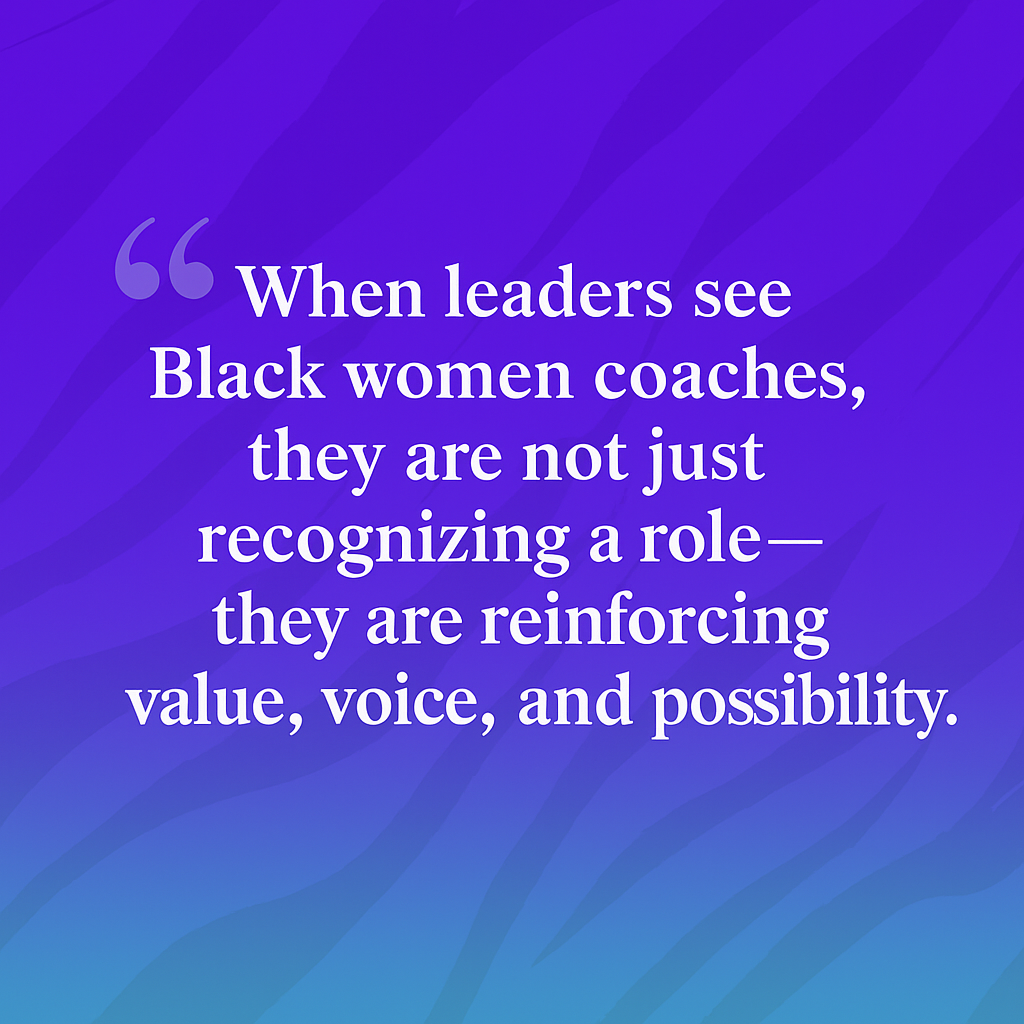
When leaders acknowledge BWICs and their contributions, it changes everything.
In my study, Michelle shared how working with a principal who understood and trusted her felt like a breath of fresh air. They were able to lead side by side, making decisions that benefited both teachers and students. Having her voice heard felt freeing in a way that was hard to articulate.
When a leader sees your expertise, they are more likely to protect your time for coaching and uplift you as an expert. That kind of leadership doesn’t just reinforce your role, it helps silence the internal doubt that many coaches, especially coaches of color, are made to carry.
From Surviving to Thriving
Coaches in my study shared that they felt more confident and capable when they spent less time defending their role and more time actually doing the work. Supporting teachers. Serving students. Driving instructional change.
When instructional coaches of color are empowered to lead without constantly fighting to be seen, they can create sustainable change, and they are more likely to stay. When a leader recognizes and affirms the coaches of color in their building, they are also helping shift culture, mindset, and outcomes.
Closing
Real leadership moves beyond managing roles. It transforms and affirms the people who work beside you. It is time to truly see instructional coaches, especially Black women, and recognize the difference they make each and every day.